For a long time I thought I just had bad anxiety. Loud rooms wore me out. Long days at work left me feeling like my skin didn't fit right. Errands that should have taken twenty minutes left me needing to lie down afterward. I chalked it all up to being an anxious person, because that was the only word I had for it.
Young adults now report the highest rates of anxiety and mood disorders of any age group, and adults in their late twenties and early thirties report the highest stress levels of any working group. The average person checks their phone about 150 times a day, and most of us have stopped noticing that number is strange.
So it made sense to file all of it under anxiety. Everyone around me seemed anxious too. But something never quite added up. The advice that's supposed to help anxiety, breathing exercises, naming your feelings, going for a walk, sometimes helped a little. Other times it did almost nothing at all.
What's actually going on
It turns out there's a difference between anxiety and something called sensory overload, and once I read the actual definition, a lot of my life made more sense in a single afternoon.
Sensory overload happens when the brain gets more incoming information than it can process at once. Noise, light, texture, people talking, screens, movement, all of it stacking up faster than it can be sorted through. The result isn't worry about the future the way anxiety usually is. It's an immediate, physical need to get away from input. Restlessness. An urge to escape the room. A feeling that something is unsafe even when nothing is actually wrong.

Why the usual advice didn't work
This is the part that annoyed me a little once I understood it. Most of the advice I'd been given for years was built for anxious thoughts, not sensory load. Breathe deeply. Reframe the thought. Talk it through. None of that is bad advice, but none of it actually reduces how much sensory input is hitting you in a given moment.
It's a little like being told to think positive thoughts about a fire alarm that's still going off. The advice isn't wrong, it's just aimed at a different problem than the one that's actually happening.
What sensory overload responds to instead is reducing input. Less noise. Less light. Less texture against your skin. Fewer things demanding to be processed at once. That's a completely different toolkit than the one most of us were handed.
The pattern once you see it
Once I had the right name for it, I started noticing the pattern everywhere in my own life. The way I'd come home from work and immediately need to change clothes before I could think straight. The way I'd pull a hood up in a crowded store without really deciding to. The way certain fabrics against my neck could ruin an entire afternoon. The way my social battery would hit zero well before the actual day was over, and I'd have nothing left for the last few hours of it.
None of that was me being dramatic or difficult. It was a nervous system that had taken in more than it could sort through, asking for less.
What actually helped
Understanding the difference changed what I went looking for. Instead of trying to think my way out of it, I started paying attention to what physically reduced the input. Warmth helped. Softness helped. Covering my head and ears helped more than I expected, like something in my body finally got permission to stop processing so much at once.
That's a very different starting point than anxiety advice ever gave me. It's not about calming your thoughts down. It's about giving your senses less to deal with, even for a few minutes.
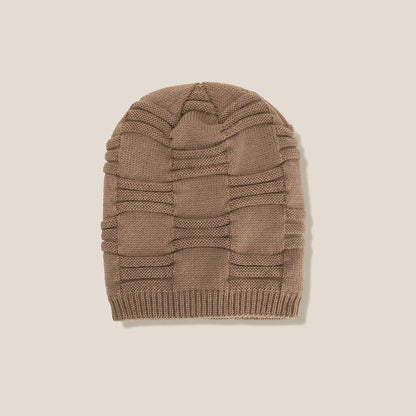
For me, the thing that ended up sticking was small and almost embarrassingly simple, an oversized, fleece-lined beanie called the Hug Beanie, made by a small comfortwear brand. It wasn't a lifestyle overhaul or a new routine. It was just something warm and soft I could put on for five minutes when a day got too loud, at my desk, on a commute, anywhere, not just at home.

If any of this sounds like your own days, it might be worth understanding which one you're actually dealing with. Here's what helped me.See the Hug Beanie →